
By Gaan Akers, LPC, NCC | August 21, 2024
Suicide poses a significant threat to adolescents, with a staggering 20% of high school students having serious thoughts about suicide. Unfortunately, many of these hidden suicidal thoughts go unreported and untreated because of the taboo surrounding discussions on suicide. This article discusses why we don’t talk about suicide, explains the importance of open communication and teaches you how to talk about suicide with the struggling young person in your life.
In This Article
- Why Adolescents With Hidden Suicidal Thoughts Stay Silent
- Why Caregivers Avoid Talking About Suicide With Loved Ones
- Why Parents, Caregivers and Mentors Need to Talk About Suicide
- How to Talk About Suicide
- Help Your Loved One Through Suicidal Ideation With Hillside® Mental Health Services
Why Adolescents With Hidden Suicidal Thoughts Stay Silent
Young people experiencing suicidal thoughts often keep their suffering hidden from family and friends. This silence can be caused by several emotional, psychological and interpersonal barriers. For loved ones of struggling adolescents, understanding and dismantling these barriers is crucial to opening up a healthy conversation about mental health. Reasons people don’t talk about suicide include:
- Stigma and shame: Adolescents often feel ashamed to talk about suicidal thoughts due to societal stigma surrounding behavioral and mental health challenges.
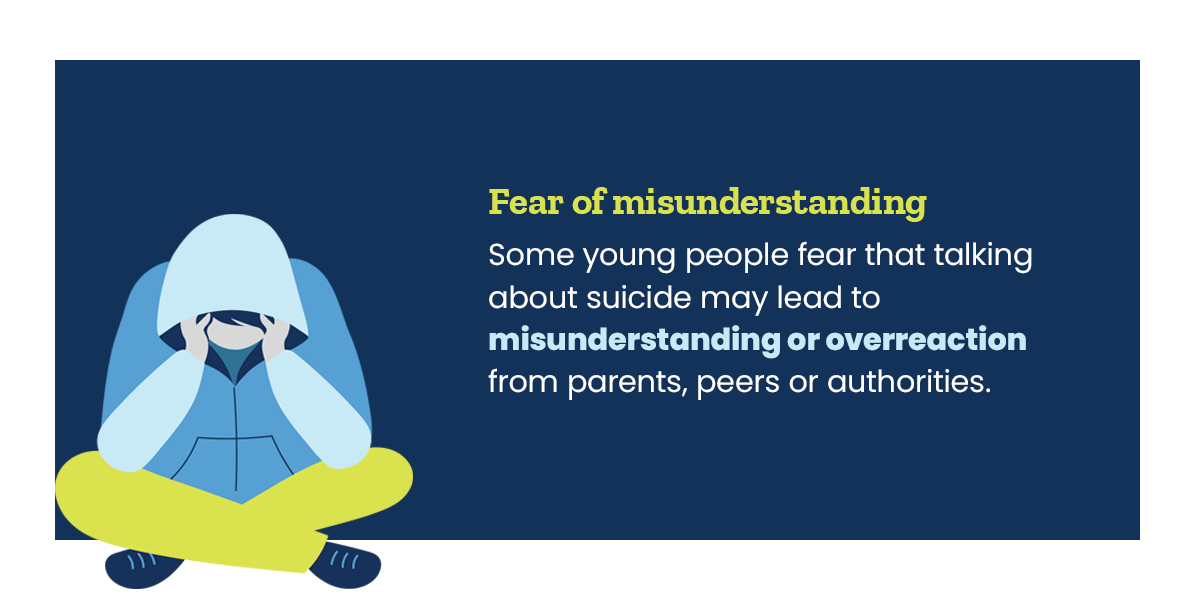
- Fear of misunderstanding: Some young people fear that talking about suicide may lead to misunderstanding or overreaction from parents, peers or authorities.
- Lack of awareness: Many adolescents may not be aware of the warning signs of suicide or the resources available for help.
- Emotional distress: Discussing suicide can evoke strong emotions such as fear, sadness or guilt, making it a challenging topic to address.
- Risk of contagion: Young people may avoid talking about suicide because they fear triggering suicidal thoughts in their confidants, known as suicidal contagion or the Werther effect.
- Communication barriers: Adolescents may struggle to articulate their feelings or thoughts about suicide, leading to communication barriers with parents, caregivers or behavioral and mental health professionals. Building trust and rapport through active listening and empathy is essential in overcoming these barriers.
Why Caregivers Avoid Talking About Suicide With Loved Ones
Support systems of adolescents facing thoughts of harming themselves also face difficulties discussing such a heavy topic even though they desperately want to help their child. You may feel hesitant to speak about suicide with your at-risk adolescent due to the following:
- Cultural and religious beliefs: In some cultures and religions, suicide is taboo to discuss, so it’s uncomfortable or even perceived as frowned upon to speak about openly.
- Need for skill development: You may feel you still need to develop the right skills or enough confidence to initiate empathetic and helpful conversations about suicide.
- Fear of triggering ideas: Some caregivers fear bringing up suicide gives your struggling loved one dangerous ideas they didn’t have before through suicidal contagion.
Why Parents, Caregivers and Mentors Need to Talk About Suicide
Bringing hidden suicidal thoughts to the forefront can be challenging for both you and your struggling loved one, but it’s vital. Silence perpetuates the cycle of shame and isolation associated with suicidal thoughts. Encouraging open dialogue about suicide breaks the silence surrounding mental health within families or mentorship relationships, promoting understanding and empathy, dispelling myths about suicide and ultimately saving lives. Ways talking about suicide can help struggling adolescents include:
Early Intervention and Prevention
Parents, caregivers and mentors are crucial in identifying early warning signs of life-threatening behaviors in adolescents and providing timely intervention. If you speak openly about suicide, you can help identify warning signs early and intervene before a crisis occurs, potentially saving your loved one’s life.
Destigmatization
By openly discussing suicide within families or mentorship relationships, you can help reduce the stigma surrounding mental health and create a supportive environment for young individuals. Talking openly about suicide helps reduce stigma and normalize conversations around mental health, encouraging individuals to seek help without fear of judgment.
Creating a Supportive Environment
Honest conversations about suicidal ideation create a supportive environment where the young person feels comfortable discussing their struggles. This fosters connection, empathy and understanding in your relationship. It also promotes mental well-being and trust and strengthens lines of communication.
Breaking the Silence With Education and Awareness
On a broader scale, educating parents, caregivers and mentors about suicide prevention strategies equips them with the knowledge to recognize risks, intervene effectively and support adolescents in crisis. Open dialogue raises awareness about behavioral and mental health, suicide prevention strategies and available resources, empowering individuals to seek help when needed.
Speaking up encourages others to share their experiences and seek support, breaking the silence surrounding suicide. By acknowledging the challenges associated with discussing suicide among adolescents and highlighting the importance of open dialogue, you can help create a more supportive and understanding environment that promotes behavioral mental health awareness and intervention and, ultimately, saves lives.
How to Talk About Suicide
Increasing awareness through education and outreach programs can empower individuals to seek support. At Hillside®, we educate parents, caregivers and mentors about warning signs of suicide, available resources and how to navigate conversations about mental health with adolescents. There are ways to make discussing this difficult topic with your child or teen easier and more effective. Implement the following tips when discussing hidden suicidal thoughts with your loved one to ensure you’re communicating effectively:
- Create a supportive environment: Create a nonjudgmental and supportive environment so the young person can discuss their feelings without fear of stigma or shame. If your loved one feels safe being open and vulnerable with you, they’re more likely to overcome their fears and speak honestly about their thoughts. Let them know you’re there to listen and help, not pass judgment. Reassure them that they won’t be punished for speaking truthfully.
- Engage in active listening: Active listening is about being completely present with your loved one, not only hearing their words but also understanding and validating their point of view and feelings. Keep a calm, approachable demeanor, conceal emotions that may discourage them, like anger or frustration, and give them your full attention. Let them know you’re listening by asking non-threatening questions, empathizing with them, making eye contact and keeping an attentive posture.
- Ask the right questions: Ask the struggling young person how they’re doing without interrogating them, and gently follow up on any negative feelings or thoughts they share with you. The objective during this conversation is not to “fix” their difficult emotions but rather to understand what they’re going through and how they are dealing with it. If they express intentions to harm themselves, it’s time to get immediate professional help for their safety.
- Understand suicidal contagion: Research shows that, while suicidal contagion can pose a risk in certain situations like media exposure, speaking to your loved one about suicide or having them screened for suicidal ideation does not increase suicidal thoughts in adolescents. Establishing an open line of communication with at-risk youths lets you identify and treat suicidal ideation before it becomes actively life-threatening.
- Build trust: Building trust and rapport through active listening and empathy is essential in overcoming communication barriers. It’s essential for the young person to know they can come to you with their innermost thoughts without being chastised. Allow them to express their emotions during this conversation, whether they’re frustrated, sad or withdrawn. Correcting these behaviors during such a vulnerable interaction could discourage the child from opening up.
- Prioritize your loved one’s health: Cultural and religious traditions are valuable ways of connecting to your heritage, community and beliefs. If, however, your loved one is in crisis or showing signs of depression, you’ll need to speak to them about the difficult and taboo subjects to help them through. They’ll appreciate the strength it took you to speak openly with them despite taboos, even if only in their mind, and they’ll likely be more willing to share their honest emotions and thoughts.
- Seek out training: Professional training about approaching these discussions can empower adults to support young individuals in crisis. By working with behavioral and mental health professionals, you can learn how to recognize warning signs, initiate conversations and connect adolescents with appropriate support services.
Help Your Loved One Through Suicidal Ideation With Hillside® Mental Health Services
If an adolescent in your life is struggling with depression, anxiety or suicidal thoughts, Hillside® is your lifeline. Our expertly trained clinicians help your loved one work through psychological, emotional and behavioral challenges in whatever setting works best for the adolescent. We offer at-home mental health support for the struggling young person and their family, as well as immersive, comprehensive day treatments and even virtual intensive outpatient therapy online.
Reach out and arrange treatment for your loved one today.

Author

Original Publication Date: August 21, 2024
Written By: Gaan Akers, LPC, NCC
Edited By: Gaan Akers, LPC, NCC
August 21, 2024
Clinically Reviewed by: Gaan Akers, LPC, NCC
Revision - Date: September 4, 2024, 8:40 am by Unknown Author
Revision - Date: August 21, 2024, 5:05 am by Unknown Author
Revision - Date: August 21, 2024, 5:01 am by Unknown Author