
By Hillside Inc. | September 29, 2025
If you or someone you know is struggling or in crisis, help is available. Call or text 988 or chat 988lifeline.org to reach the Suicide & Crisis Lifeline.
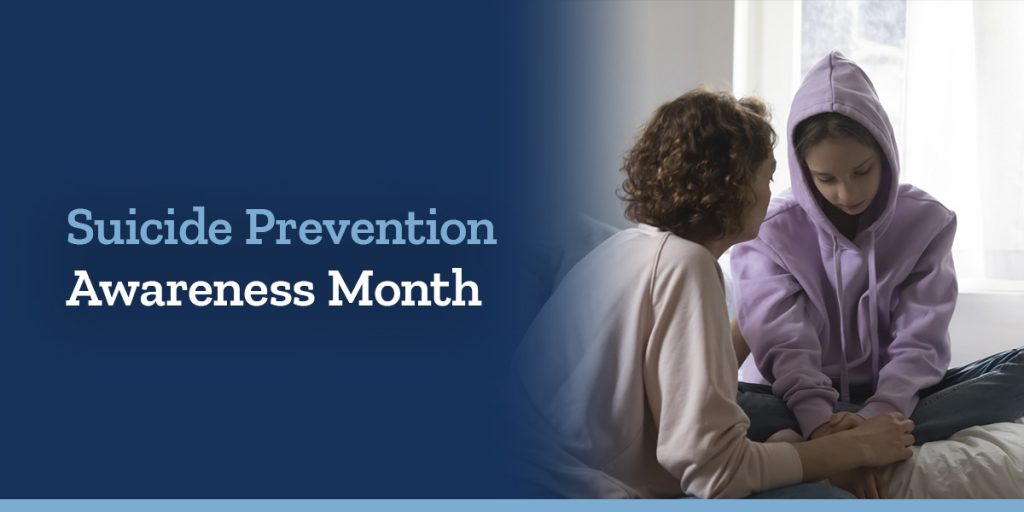
Suicide Prevention Awareness Month
Suicide Prevention Awareness Month is observed every September. It’s a dedicated time for communities to connect and raise awareness about suicide and come together to support those who are struggling. If you are a parent of a teen struggling with mental health, including depression and suicidal thoughts, know that there is hope and support is always available. This article will provide information for families, including how to advocate and provide prevention support during Suicide Prevention Awareness Month, and where to turn for help.
What Is Suicide Awareness Month? Origins and Purpose
First recognized in the United States in 2008, National Suicide Prevention Month is an annual observance every September to raise awareness about suicide, reduce its stigma and connect people at risk with lifesaving support services. World Suicide Prevention Day also falls on September 10th — a global effort to unify governments, organizations and communities to talk about suicide and mental health, and direct treatments to those who need it most.
The main goals of Suicide Prevention Awareness Month include:
- Acknowledge and remember: The month serves as a time to remember lives lost to suicide and recognize its impact on families, friends and communities.
- Raise awareness: Campaigns and National Suicide Awareness Month activities all serve to inform the public about risk factors and warning signs of suicide and promote resources for help.
- Reduce stigma: By opening up conversations about mental health and suicide, the initiative seeks to move away from silence and stigma toward more understanding and support. This can be especially important, since many people who experience suicidal thoughts might feel like they cannot tell anyone.
- Connect people to help: A key purpose for the month is ensuring that anyone experiencing suicidal thoughts can connect to treatment services and support systems. The time is spent on promoting resources like the 988 Suicide & Crisis Lifeline.
- Emphasize hope and action: By emphasizing that hope is possible, Suicide Prevention Awareness Month can encourage widespread community action. Actions both large and small, such as educating others or simply being there to talk, can help save lives.
Additionally, Mental Illness Awareness Week occurs during the first full week of October to promote public education, inspire action for mental health and improve access to care, especially for youth and underserved populations.
Recognizing the Warning Signs in Your Teen
Suicide Prevention Awareness Month is about recognizing the warning signs of suicide and accessing tools and support to help prevent it. Be sure to reach out to a trained professional if you notice any of these suicide warning signs in your teen:

- Verbal cues and expressing suicidal thoughts: Verbal cues can be direct or indirect threats about harming oneself. Suicidal thoughts or ideation can last a few seconds or be chronic. Suicidal ideation can be passive, such as your teen expressing thoughts that everyone would be better off without them or wishing not to wake up. Active ideation can include having thoughts with intent and motivation, such as making plans or engaging in suicide attempts.
- Emotional shifts: You might notice extreme mood swings, sadness and anxiety, agitation, rage, sudden calmness after a period of depression or other emotional changes that could be a warning sign that it’s time to seek help.
- Changes in behavior: Watch for withdrawing from friends and family, giving away possessions, major changes in sleep or appetite or risky or self-harming behaviors. Expressions of suicidal thoughts or making preparations are urgent warning signs that require immediate professional help.
It’s important to trust your instincts, even if your teen dismisses your concerns, as you understand your child best. Like any other health emergency, it’s important to address suicide concerns quickly and effectively. By reaching out for help, your teen can get the help they need as soon as possible.
How Parents Can Support and Advocate
If your child is struggling with mental health, know that there are many tools, resources and support services available to help you navigate this journey and advocate for your teen. Here’s how to support suicide prevention and spread hope as a parent:
Foster Open Communication at Home
Just starting a conversation about mental health and actively listening can save a life. Make your home a safe space for your teen, where they can open up to you about their mental health. Let them know that they can talk with you about anything without fear of judgment. Be an active listener, reflecting their feelings and summarizing their thoughts so your teen feels heard and validated.
The goal is to stay calm, alert and ready to speak with your teen. Go directly to them instead of waiting for them to come to you, let them know you’ve noticed they seem sad and that you are open to talking because you and love and care about them.
Create a Safety Plan
While no one wants to think about the possibility of a crisis, they do happen, and it’s always good to have a plan to protect your teen. A safety plan is a written list of coping strategies and support for people at risk of suicide, and you can create one with your teen and a mental health professional.
It usually includes steps like identifying triggers, listing coping strategies, ways to make the environment safe and securing contact information for trusted people and professionals, like family members, friends or people from your child’s school. The strategies can be used to help your teen before or during a crisis and shared with loved ones to keep them safe.
Engage With the Schools
As a parent, you have the power to advocate for better mental health resources in your teen’s school and community. Throughout Suicide Prevention Awareness Month and throughout the year, you might participate in local awareness events or advocate for mental health education programs in school.
Other ways to spread hope can include helping school staff recognize the warning signs of suicide and how to respond, or even hosting presentations alongside mental health professionals, giving other parents a safe space to learn risk factors and ways to support their children.
Join or Organize Community Events
Throughout your community, you can advocate and raise awareness about suicide and prevention through events like walks and runs, community conversations and benefit shows. For example:
- Organize fundraising: You might organize a large fundraising cookout, a community concert or an art auction to raise money for mental health organizations.
- Community conversations: Join or host sessions for people with lived experience to openly share their stories and help reduce stigma.
- Participate in local walks: You could participate in local walks, such as those hosted by the American Foundation for Suicide Prevention (AFSP), to honor those affected by suicide and raise funds for prevention.
Facts and Statistics for Suicide Prevention Awareness Month
Some fast facts to be aware of include:
- According to the Centers for Disease Control and Prevention (CDC), about 1 person dies by suicide in the U.S. every 11 minutes.
- In the U.S., suicide is the second leading cause of death among those aged 10 to 34 years old and the 11th leading cause of death overall.
- Approximately 1 in 20 U.S. citizens, or 5% have serious thoughts of suicide each year, and 20% of high schoolers report serious thoughts of suicide.
- An estimated 3.7 million people made a plan for suicide in 2023.
Taking the Next Step for Your Teen’s Future

Suicide Prevention Awareness Month serves as a powerful reminder that there are ways we can look out for loved ones, people in our community and anyone impacted by suicide. Know that help exists and that healing is possible. Sometimes a higher level of care is necessary for a teen’s safety and long-term healing. Hillside’s team of intensively trained clinicians deliver comprehensive dialectical behavior therapy (DBT) — individual DBT therapy, DBT skills training, between‑session phone coaching and a therapist consultation team. For confidential support, contact admissions at (470) 828-2361.
We pair DBT with family‑centered care so you feel supported and equipped at home. If you’ve tried many things and still worry about your teen’s safety, we’re ready to help. Contact Hillside® about our services and admission process.