
By Hillside Inc. | November 28, 2025
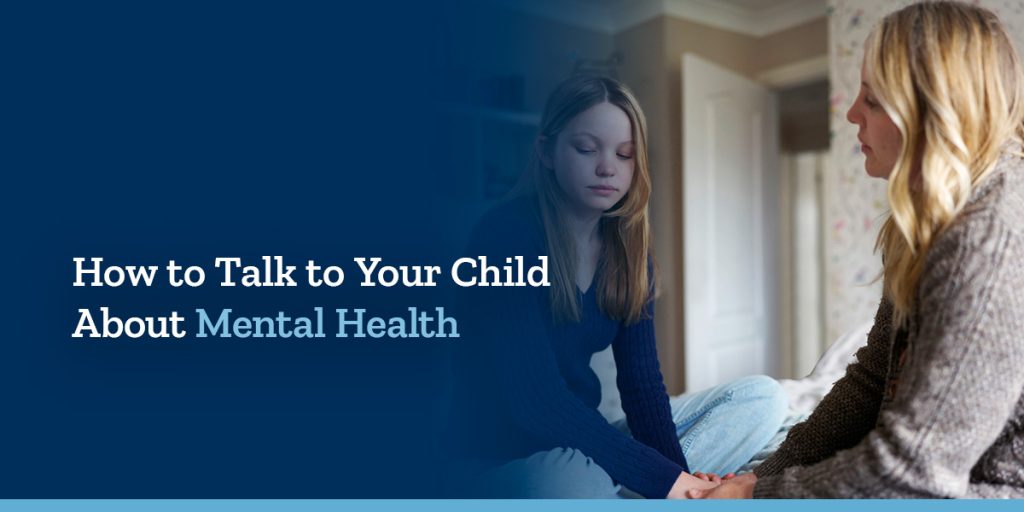
When a child begins to withdraw, lose interest in their favorite activities or seem unusually irritable, parents may feel anxious and unsure of what’s happening. Many families experience this moment of uncertainty, trying to determine whether their child is simply growing through a difficult phase or facing something deeper.
Talking about mental health with a child is one of the most powerful ways to help them feel understood and supported. Conversations about emotional well-being allow children to share what’s on their mind, reduce stigma and encourage them to seek help when needed.
Below, we explore how to talk to your child about mental health with empathy, care and confidence, helping you create a supportive environment where they can feel safe to open up.
Understanding Mental Health for Teens
Adolescence is a time of profound emotional and physical growth. The brain is developing rapidly, identity is taking shape and social pressures are stronger than ever. These transitions can create emotional turbulence, even for children who appear outwardly strong.
According to the National Alliance on Mental Illness (NAMI), more than 1 in 7 U.S. youth ages 6-17 lives with a mental health condition, and half of these conditions begin before the age of 14. Research from the Centers for Disease Control and Prevention (CDC) also reveals that 40% of adolescents felt persistently sad or hopeless in a 2023 report.
These numbers all point to the reality that mental health challenges among adolescents are more common than many families may realize. They also highlight the urgent need for early conversations, awareness and compassionate support at home.
Common Mental Health Challenges for Adolescents
While every child’s experience is unique, several patterns appear frequently during adolescence. Recognizing these can help you identify when to reach out or start a conversation.
Some of the most common mental health challenges youth face include:
- Anxiety and depression: These are among the most common conditions in adolescents. They can present as irritability, or with physical symptoms like headaches, fatigue or difficulty concentrating.
- Social and academic pressure: Teens must navigate academic expectations, friendships and the growing influence of social media.
- Identity and belonging: Many young people struggle with questions about who they are, their values or how they fit in.
- Family or environmental stress: Divorce, loss, relocation or family conflict can intensify emotional distress.
Understanding these realities allows parents to approach mental health conversations with compassion rather than fear. The goal is not to fix every problem, but to open a pathway toward understanding and support.

Creating a Safe Environment for Discussion
Opening up about mental health requires trust. For many children, sharing their emotions can feel risky as they may worry about being misunderstood, judged or dismissed. Before starting any conversation, building an atmosphere where your child feels accepted exactly as they are is essential.
1. Choose the Right Time and Place
Conversations about emotions can be easier when they happen in a relaxed and familiar space. There’s no need for a formal sit-down at the kitchen table. You may find that your child opens up more during shared routines, such as driving to school, taking a walk or cooking together, because the focus isn’t entirely on talking.
Try to choose a moment when your child feels calm and unhurried. Avoid times of conflict or high stress, like right after an argument or after a long day at school.
You can also make the setting feel supportive through the following:
- Keeping your tone gentle: Speak in a calm, steady voice that communicates patience and care.
- Maintaining open body language: Sit beside your child rather than across from them, and avoid crossing your arms.
- Reducing distractions: Turn off the TV or put your phone away to show that your attention is fully on them.
- Letting silence work for you: Pauses can give your child space to process and respond without feeling rushed.
2. Practice Empathy and Active Listening
When your child opens up, your presence matters. You can show that you’re listening and engaged through the following:
- Maintaining soft eye contact: This can show interest without feeling intimidating.
- Letting them finish before responding: Avoid interrupting or jumping to conclusions.
- Using affirming statements: Say things like “I hear you” or “That sounds really hard” to show understanding.
These can be simple yet effective ways to help your child feel seen and respected, which can help encourage honesty in future conversations.
3. Validate Their Feelings
Validation builds trust. Even if a situation seems small from an adult perspective, it can feel overwhelming to a young person. Acknowledging their emotion shows respect for their experience and encourages further honesty.

Talking to Teens About Mental Health
Opening a dialogue about mental health can feel uncertain, but small, consistent efforts matter more than perfect words. Parents may hesitate, fearing they might say something wrong. The truth is that empathy and consistency matter more than expertise.
Use Gentle Conversation Starters
Everyday moments are often the best times to check in. The following shows examples of how you can begin by mentioning something you’ve observed or by referring to a broader topic:
- “You’ve seemed more tired lately. How are you feeling about school these days?”
- “I’ve read that lots of teens feel pressure to keep up. Do you ever feel that way?”
- “I want to check in about how you’ve been doing lately. I’m here to listen.”
Simple, open-ended remarks can help your child feel invited, rather than pressured to share.
Be Honest and Transparent
If you don’t have all the answers, honesty can help build trust. Saying, “I may not understand everything you’re going through, but I want to learn so I can help,” reassures your child that you’re on their side.
Encourage Their Questions
Children and teens often have misconceptions about mental health or therapy. Encourage curiosity. If they ask something difficult, take it as a sign of trust. Offer to explore the answer together or reach out to a professional for guidance.
Keep the Dialogue Going
Conversations about mental health should evolve with time. Regular, informal check-ins communicate that your child’s emotions matter every day, not just when things are difficult.
Key Parenting Tips for Mental Health
Empathy helps bridge the gap between a parent’s intentions and a child’s inner world. Teens often experience strong emotions but lack the tools to express them clearly.
Listen Beyond Words
Sometimes, a child’s silence, irritability or withdrawal says more than their words. Rather than assuming disinterest, consider what emotions may be beneath the surface. Offer support through consistent presence, not pressure.
Respect Their Growing Independence
Conversations framed around partnership, rather than control, can foster cooperation. Instead of directives like “You need to see someone,” try “Would you be open to talking with someone who could help?” This collaborative language preserves trust and dignity.
Share Personal Experiences When Helpful
When appropriate, brief personal stories can normalize the topic. For example, “I can remember feeling overwhelmed in school at your age. Talking to someone helped me find ways to cope.” Sharing in this way communicates that mental health struggles are human experiences, not personal feelings.
How to Address Stigma and Misconceptions
Despite progress, stigma surrounding mental health still exists. Parents can play an essential role in breaking that cycle.
1. Replace Stigmatizing Language
Phrases like “crazy” or “weak” reinforce harmful beliefs. Replace them with affirmations such as “Mental health is part of overall health” or “Everyone needs support sometimes.”
2. Model Healthy Emotional Expressions
Children learn how to talk about emotions by watching the adults around them. When parents speak openly about their own stress and coping strategies, it teaches emotional awareness. Saying, “I felt anxious today, so I took a walk and called a friend,” shows that seeking balance is normal.
3. Normalize Therapy and Support
Therapy, counseling or support groups should be presented as acts of courage. The American Psychological Association (APA) emphasizes that early intervention improves long-term outcomes for young people experiencing anxiety or depression. Families that discuss therapy as a positive step reduce barriers to care.
Important Reminders for Parents
Discussing mental health with your child takes patience and repetition. The following are a few guiding principles that can make each conversation more effective:
- Keep discussions consistent: Short, frequent check-ins show your child that mental health is always safe to discuss.
- Stay curious, not reactive: Respond with interest rather than immediate advice.
- Avoid fearing the topic: Talking about mental health doesn’t cause distress. It prevents it from being hidden while also helping children feel less alone.
- Be aware of your own biases: Reflect on how your experiences or beliefs might shape your reactions.
- Acknowledge your limits: It’s also OK to seek help for yourself. Parenting a child with emotional struggles can be exhausting, and support helps you stay grounded.

Resources for Further Support
Even with open communication, some situations require professional guidance. Recognizing when to seek help is a sign of love and responsibility, not failure.
If your child expresses sadness, hopelessness or life-threatening behaviors, which may include having suicidal thoughts and gestures, seek help right away. The following resources can provide immediate or ongoing support:
- 988 Suicide and Crisis Lifeline: Call or text 988 for immediate support.
- NAMI helpline: 1-800-950-NAMI (6264) for confidential guidance from trained mental health advocates.
- The Trevor Project: 1-866-488-7386 for crisis support specifically for TGX youth.
- School and pediatric support: These professionals can help identify local therapists and programs specializing in child and adolescent care.
Outpatient and Residential Programs
When your child needs additional care beyond conversations at home, structured mental health programs can make a meaningful difference. Outpatient and residential therapies give children and adolescents access to safe environments, professional guidance and evidence-based therapies designed for their stage of life.
Programs like these may typically include the following:
- Outpatient care: Offers regular therapy sessions, group support and family involvement while your child continues daily routines at home.
- Day or intensive outpatient programs: Provide more structured support during daytime hours without overnight stays.
- Residential programs: Offer 24-hour care in a therapeutic setting, helping to stabilize emotions, strengthen coping skills and prepare for successful transitions back home.
This type of professional support can help families navigate challenging chapters with understanding and structure, reinforcing that lasting change is possible with the right help.
How Parents Can Stay Involved
Once a child begins therapy, maintaining involvement makes a meaningful difference. You can reinforce skills at home by using consistent language and validating effort. Encouraging your child after sessions or celebrating progress helps them feel supported rather than singled out.
Frequently Asked Questions
Find answers to your important questions on mental health awareness in kids.
1. How Can I Explain Mental Health to a Child?
Start with simple language that connects their everyday experiences. You can say something like, “Mental health is about how we think, feel and handle things that happen to us.” Use examples they understand, such as feeling worried before a test or sad after an argument. Keeping it relatable helps normalize the topic and reduces fear or confusion.
2. What Signs Might Mean My Child Is Struggling With Their Mental Health?
Changes in behavior are often the first clues. Watch for signs like persistent sadness or irritability, withdrawal from friends or activities they once enjoyed or sudden drops in grades. If patterns continue for more than a few weeks, or if your child seems unable to cope, it may be time to reach out for professional support.
3. How Do I Encourage My Child to Talk About Their Feelings?
Create opportunities for conversation without forcing it. You can ask how their day was, validate their emotions to build trust and share your own coping strategies to model openness. Children learn emotional expression by observing it in others.
4. What If My Child Doesn’t Want to Talk?
Avoid pushing. Instead, remind them that you’re available whenever they’re ready. Keep daily interactions warm and consistent so they know your care doesn’t depend on them opening up immediately. Sometimes writing a note, sending a text or checking in while doing something together, like cooking or driving, can make communication feel easier.

Hope and Healing Begin With One Conversation
Talking to your child about mental health takes courage, but it’s one of the most meaningful steps a parent can take. Every open, caring conversation helps your child feel less alone and more capable of navigating their emotions. Over time, these moments build understanding, resilience and trust, showing your child that mental health is something to care for, not hide. When families lead with empathy, they create the foundation for lasting healing.
If your child is showing signs of emotional distress or you’re unsure how to help, Hillside® is here to support you. For over a century, we’ve provided healing and hope for children and families, offering evidence-based care through residential, day and outpatient programs designed specifically for children and adolescents. Our trained clinicians use proven therapeutic approaches, including Dialectical Behavior Therapy (DBT), Theraplay® and Horticulture Therapy.
Contact Hillside® today and begin your family’s journey to healing.