
By Gaan Akers, LPC, NCC | March 6, 2025
Is your child unable to control their emotions? As children get older, the expectation for them to control their emotions and behaviors grows. This ability is known as “self-regulation,” and many assume it naturally develops with age. However, the reality is that many children have a hard time mastering this skill, regardless of age.
If your adolescent child is having trouble self-regulating, we’ve created this guide to help. Below, we explore how to help kids regulate their emotions, offering practical support for parents navigating their child’s emotional development. You’ll learn the signs to look out for, why your child might be struggling with self-regulation and, most importantly, the different steps you can take to support your child.
In This Article
- Introduction to Emotional Regulation for Kids
- Why Do Some Kids Struggle With Self-Regulation?
- How to Help a Child Regulate Their Emotions
- FAQs on Building Emotional Intelligence in Adolescents
- Find the Tools You Need With Hillside®
Introduction to Emotional Regulation for Kids
Teaching emotional regulation skills is a journey that begins with understanding its essence. The American Psychological Association (APA) defines emotional regulation as the ability to navigate and manage a range of emotions effectively. In simpler terms, it’s about an individual’s ability to identify, understand and manage their feelings in a healthy manner.
However, developing emotional regulation doesn’t just happen overnight. It’s often a gradual process that evolves through different stages. For example, babies may express their feelings through crying or smiling. Toddlers will usually begin using simple words to express what they need, while others may be more prone to intense tantrums.
Around the 3-6-year mark, children begin expanding their emotional vocabulary as they also start understanding others’ feelings and perspectives. Six- to 12-year-olds develop a deeper understanding of complex emotions such as guilt, shame and empathy, while adolescents navigate complex emotions, which can lead to intense emotional experiences. Knowing where your child is in this journey can offer you valuable insights into their emotional growth and where there may be challenges.

Understanding Emotions in Adolescents
Developing self-regulation skills is an essential journey for adolescents as they navigate the emotional complexities of their teenage years. This phase of self-exploration, social pressures and significant hormonal changes can be overwhelming, making self-regulation for teens a critical tool for their emotional well-being.
Empowering your child to learn how to manage their feelings can help them in different areas of their lives, including relationships, behavior and mental health. It can also help them make informed choices, avoid impulsive behaviors and develop resilience when facing challenges.
Signs of Poor Emotional Regulation Development
Poor emotional regulation in adolescents can manifest in various ways, including:

- Outbursts: Adolescents may exhibit intense emotional outbursts, such as uncontrolled crying or anger tantrums, which may be disproportionate to the situation.
- Withdrawals: Teenagers who are struggling with emotional regulation may withdraw from social interactions, avoid activities that they once enjoyed or even isolate themselves completely.
- Substance abuse: Some teenagers end up turning to substances such as alcohol or drugs as a way to cope with overwhelming emotions.
Children can often overcome poor emotional regulation when given the tools, resources and support they need. However, sometimes, it may be a sign of emotional dysregulation. This condition occurs when someone has trouble controlling their emotions, and some common symptoms may include:
- Mood swings
- Mania or hypomania (periods of high energy that can negatively impact mood, thinking and everyday life)
- Being prone to losing temper
- Having trouble controlling emotions
- Being easily frustrated by minor inconveniences
- Impulsive behavior
- Persistent irritability
It’s important to note that if your teenager exhibits any of these behaviors, it doesn’t necessarily mean they have a serious problem. However, the challenge comes when the behavior is persistent and interferes with other areas of their lives.
From the dialectical behavior therapy (DBT) perspective, the biosocial model looks at understanding chronic emotional dysregulation in children. This theory suggests that a combination of biological vulnerabilities and an individual’s environment contribute to emotional dysregulation:
- For biological vulnerabilities: This theory tells us that the level to which we are emotionally sensitive isn’t something we can change because it is a part of our genetic makeup.
- For invalidating environments: This theory suggests that environments that dismiss, minimize or punish emotional expressions can affect the healthy development of emotional regulation in adolescence.
You should seek professional help and support for your child when:
- Poor behaviors are persistent: When any of the above-mentioned signs of poor emotional regulation persist and significantly impact your child’s daily life, it may be time to seek help. An example is when their behaviors interfere with school, relationships or their overall well-being.
- Behaviors interfere with functioning: If a teenager’s emotional struggles start to affect their academics, self-care or social interactions, seeking professional help can make a difference.

- They exhibit self-harming behaviors: You should seek help if your child shows any indication of self-harming behaviors.
Why Do Some Kids Struggle With Self-Regulation?
Understanding why some children struggle with self-regulation while others don’t can help you better support your child.
1. Biological Factors
Biological factors refer to the genetic, physiological and neurological influences contributing to your child’s emotional regulation abilities. This includes brain development, hormonal fluctuations and nervous system function.
These elements shape a person’s emotional responses, coping mechanisms and reactivity. So, these factors help shape how children perceive and express their emotions. Sometimes, this is why two children of the same age can have a similar experience, yet one might throw a tantrum in response while the other does not.
2. Temperamental Traits
People have innate characteristics that influence how they respond to their environment, interact with others and regulate their emotions. Sometimes, children have temperamental traits that are present from early childhood and influence how they perceive and react to the world.
Common temperamental traits include reactivity, adaptability, sociability and persistence. This means that understanding a child’s temperamental characteristics can give you, their educators and mental health professionals the opportunity to create a supportive emotional environment where they can develop in a healthy way.
3. Social and Peer Influences
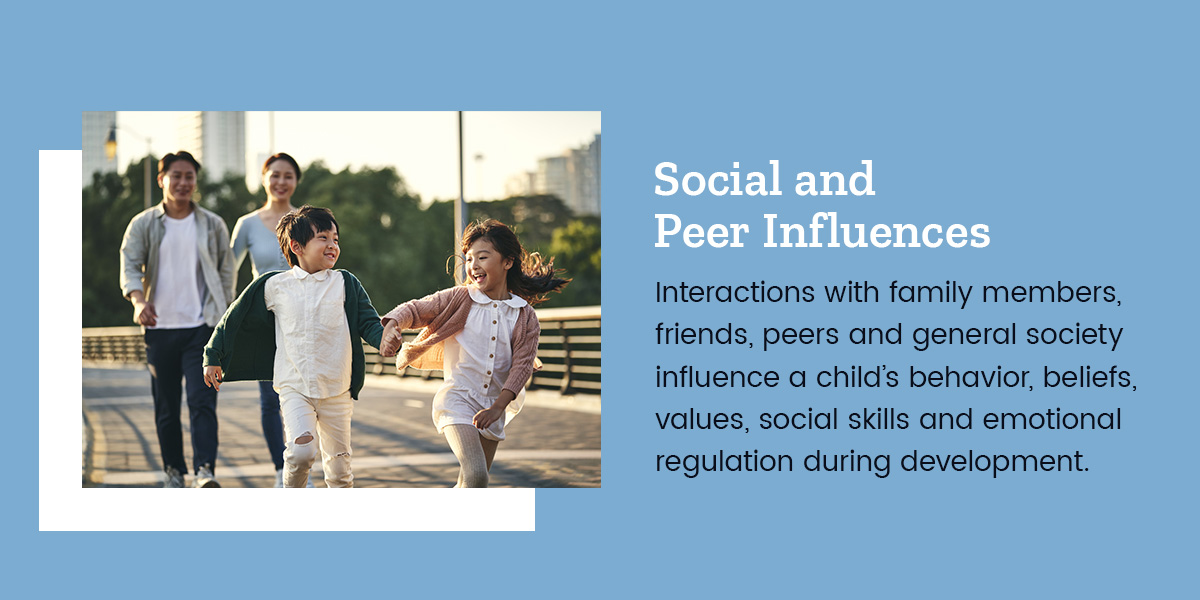
Interactions with family members, friends, peers and general society influence a child’s behavior, beliefs, values, social skills and emotional regulation during development. Of course, this influence can be positive, as healthy relationships provide a nurturing social environment with empathy, coping strategies and emotional validation. On the other hand, these influences can also be negative, hindering their self-regulating ability.
Why are social and peer influences so important? In an emotionally healthy environment, a child can:
- Learn conflict resolution skills in problem-solving and navigating conflicts.
- Observe positive emotional modeling by parents, peers or friends and learn how to express and manage their emotions.
- Receive emotional validation from a supportive environment so they feel understood and cared for.
How to Help a Child Regulate Their Emotions
As we delve into self-regulation strategies for kids, we must approach this journey with empathy and understanding. Adolescence is a time of growth and emotional changes, making developing self-regulation skills an essential aspect of a teenager’s well-being. Let’s explore key strategies for teaching and enhancing adolescent emotional regulation.
1. Practice Mindfulness and Emotional Awareness
Mindfulness is the practice of being fully present and engaged in the moment. It involves paying attention to one’s current emotions, thoughts and surroundings. The idea is for a person to observe their experiences without getting caught up in them to help create a sense of calmness, awareness and clarity.
Emotional awareness is about recognizing, understanding and effectively labeling one’s emotions. It also involves identifying the underlying reasons for emotions as they arise. Developing emotional awareness can help kids express themselves effectively while regulating their feelings.
Choosing this route to help kids develop self-regulation skills can help them:

- Enhance self-regulation: By being more aware of their emotions and understanding what triggers them, teenagers can regulate their responses and react in healthier ways.
- Increase empathy and compassion: As adolescents work on understanding their feelings and those of others around them, they can develop compassion and empathy.
- Improve focus and attention: By training a child’s mind to stay present and attentive, they can develop the ability to engage in tasks fully.
- Develop emotional intelligence: As teenagers learn to recognize and regulate their emotions, they can build self-awareness, social awareness and overall emotional intelligence.
- Improve emotional resilience: Developing a better understanding of their feelings and learning how to navigate them with acceptance can help kids become more resilient when faced with challenges.
- Enhance stress management: Emotional awareness can help teenagers calm their minds, manage stress and cope with overwhelming feelings.
- Promote mind-body connection: Mindfulness and emotional awareness can help children recognize the connection between their emotions, physical sensations and thoughts.
Many different mindfulness and emotional awareness techniques are easy to do at home. For example, mindful breathing teaches children to focus on their breathing to help anchor themselves in the present moment. To achieve this, encourage your child to take slow, deep breaths while paying attention to the sensations of breathing in and out.
You can also introduce emotional check-ins to your child. Encourage them to do a regular emotions check-in where they identify and label their current feelings. In addition, mindful movement, such as tai chi or yoga, can be an effective emotional regulation activity for teens, as it helps them connect their breath with their bodies and become more self-aware.
2. Establish Routines and Structure
Creating a consistent schedule for daily activities and tasks can give your adolescent a sense of organization, predictability and stability. Here are a few effective tips to achieve that at home:
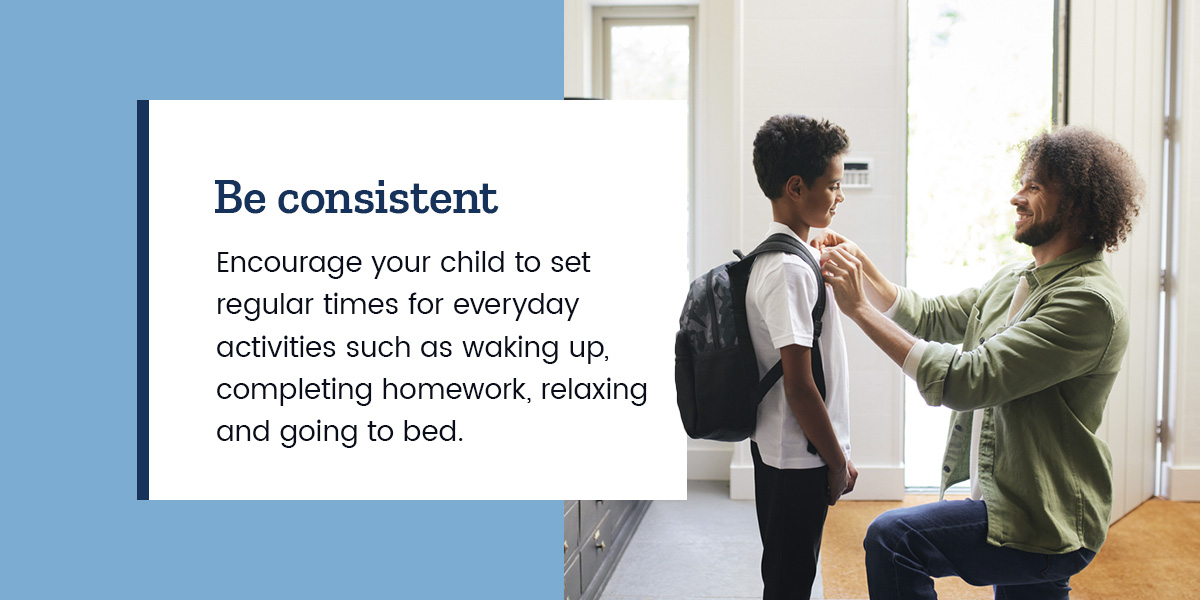
- Be consistent: Encourage your child to set regular times for everyday activities such as waking up, completing homework, relaxing and going to bed. This helps create a sense of stability, reducing stress and anxiety about what to expect.
- Prioritize tasks: Help your adolescent prioritize tasks according to their importance and urgency. You can also help them break the tasks down into smaller, more manageable steps to help them feel less overwhelmed.
- Create rituals or traditions: Establishing rituals or traditions as a family, such as weekly outings or family meetings, can be a great way to foster connections and strengthen relationships. It can also help you set boundaries — for example, limiting social media usage — and encourage stronger bonds without distractions.
- Use time management: Allocate specific time blocks for certain activities, such as exercising or studying. This can help them make the most of their time, balance their activities and reduce feelings of stress that may come from being overwhelmed by many tasks.
Being flexible and adaptable is one of the most critical aspects of establishing routines and structure. Remember that some emotional regulation activities for adolescents may not be effective as your child continues to grow. A routine you established with them when they were 12 may no longer be relevant three years later. So, keep reflecting on your routine, see if it’s still relevant and adjust as necessary.
3. Encourage Social and Peer Support
Social and peer support plays a crucial role in an adolescent’s emotional well-being, providing a source of validation, connection and guidance through challenging situations. Seeking support from family, friends and peers can offer a sense of understanding and belonging that is essential for navigating the ups and downs of the teenage years.
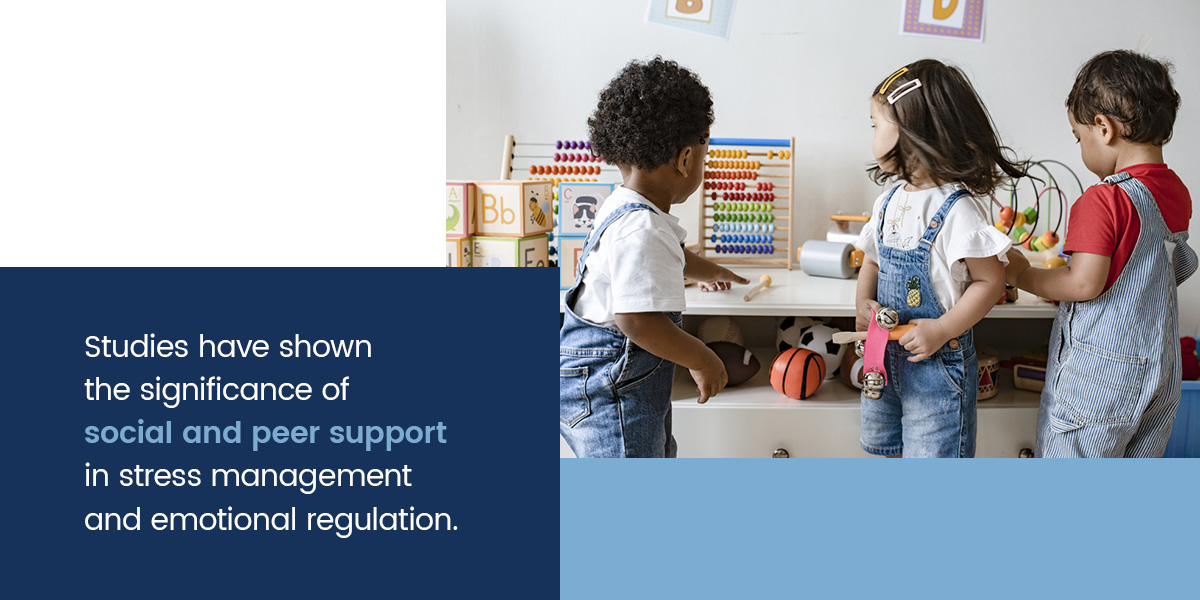
Studies have shown the significance of social and peer support in stress management and emotional regulation. These relationships can help promote resilience and well-being. For your adolescent, connecting with peers who can relate to their experiences can be a transformative experience, offering a safe space for sharing and support.
There are many benefits of social and peer support, including:
- Emotional validation: As your child engages with their peers, they may feel more understood and validated in their feelings. This can help reduce the feelings of isolation or misunderstanding.
- Sense of belonging: Being part of a supportive community can help create a sense of connection and belonging, boosting confidence, self-esteem and overall well-being.
- Practical advice: Instead of just reading about strategies that may help them, hearing from their peers can be an excellent way for your child to receive practical coping strategies and problem-solving skills. This can help them navigate challenges and manage their stress more effectively.
There are multiple ways to build social and peer support. For example, you can encourage your child to join a local support group, club or organization that aligns with their interests or hobbies. These groups can help provide a sense of community and shared experiences.
4. Try Cognitive Behavioral Therapy Techniques
Cognitive behavioral therapy (CBT) techniques focus on identifying and reshaping negative thought patterns. This approach is based on the idea that our feelings, behaviors and thoughts are all connected, and changing one aspect can lead to positive changes in others. These strategies are a form of talk therapy, but they are typically used for short-term treatment.
CBT can have incredible benefits for teenagers, including:
- Helping kids focus on present issues so they can develop coping strategies.
- Promoting self-awareness by helping them recognize their emotions, behaviors and thoughts so they can make more informed and positive choices in the future.
- Identifying and challenging negative thoughts so they can change their emotional responses and improve overall well-being.
- Equipping adolescents with practical skills and techniques to cope with stress, solve problems and manage their feelings.
To support your child with this route to gaining self-regulation, it’s first essential to educate yourself on the topic. Understanding the strategies your child will be learning and using can help you reinforce these skills at home and provide adequate support for them. In addition, you can:
- Encourage open communication: Create a supportive environment where your teen will feel safe discussing their thoughts, experiences and feelings.
- Model healthy behavior: Demonstrate healthy self-regulation skills by managing your stress and expressing your feelings in a healthy and constructive way.
- Give them encouragement and validation: Validate your teenager’s emotions and efforts by offering praise and encouragement.
- Provide structure and routine: Establish a daily routine that incorporates time for CBT techniques and activities like journaling and mindfulness exercises.
Most importantly, reaching out for professional guidance is beneficial for CBT to be effective. A therapist or mental health provider can help you give your child the support they need through this challenging process. For example, Hillside® offers a virtual DBT intensive outpatient program (IOP), which includes online intensive therapy for children 11-17 years and their families.

The IOP helps kids build DBT skills and gives them the tools they need to reduce emotional extremes. Our comprehensive program entails individual therapy and psychiatric care, coaching calls, family therapy and DBT education.
FAQs on Building Emotional Intelligence in Adolescents
We’ve given you a detailed guide to help your child navigate an emotionally challenging period of their life. Now, we share some quick answers to some commonly asked questions.
1. How Can I Help My Adolescent Develop Self-Awareness?
For your child to develop self-awareness, they must recognize their strengths, weaknesses and emotional triggers. To help your child understand themselves better, encourage them to reflect on their emotions, behaviors and thoughts. You can also practice active listening and validate their feelings as they share them. In addition, create a nonjudgmental space where your child can feel comfortable expressing their feelings.
2. What Role Do Relationships Play in Developing Emotional Intelligence?
Healthy relationships can help nurture and enhance a person’s well-being and emotional intelligence. They provide a platform for individuals to practice communication, conflict resolution and empathy, all of which are essential to developing emotional intelligence. With this in mind, it’s important to continue harnessing a healthy relationship with your child and encouraging them to make healthy friendships as well.
3. How Can I Help My Teen Cope With Stress and Manage Their Emotions?
You can teach your child stress management techniques such as mindfulness, relaxation exercises and deep breathing. You can also practice some coping strategies to help model healthy emotion regulation.
4. Can Emotional Intelligence Be Developed, or Is It Innate?
Emotional intelligence is a skill that can be improved through continued practice and learning. Encourage your child to engage in activities that promote empathy, effective communication and emotional awareness, such as mindfulness, breathing exercises, active listening and journaling.
5. How Can I Help My Child Develop Coping Skills?
Teach your child problem-solving strategies, model resilience when facing adversity and promote positive self-talk. You can also encourage a growth mindset that embraces challenges as opportunities for growth.
Find the Tools You Need With Hillside®

Helping children learn how to regulate their emotions is a complex task. The journey will likely have many challenges along the way, but you don’t have to walk it alone. At Hillside®, we offer various treatment plans to help support adolescents’ mental and emotional well-being.
We can support you through therapy sessions at our treatment center or come to your home. Contact us today to learn more about Hillside® and how we can help your teen navigate this emotionally challenging period of their life. We look forward to working with you and your child.
